Are Dental Implants Permanent?—What You Need To Know
Losing a tooth can affect the way you eat, speak, and feel about your smile. Many people in Huntley who are considering tooth replacement often ask whether dental implants are a permanent solution. While dental implants are designed to last for many years, their longevity depends on several factors, including oral hygiene, lifestyle habits, and regular dental care. Understanding how implants work and what helps them stay healthy can help you make informed decisions about your oral health.
What Makes Dental Implants So Durable?
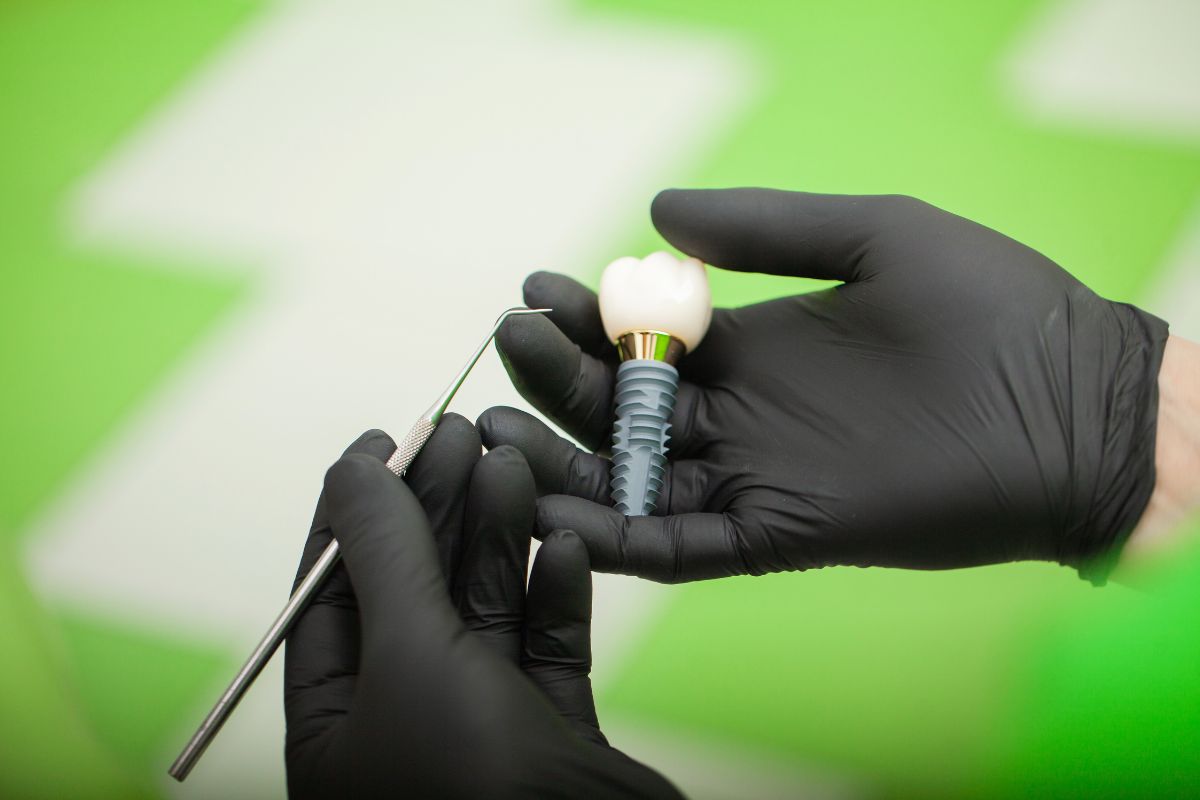
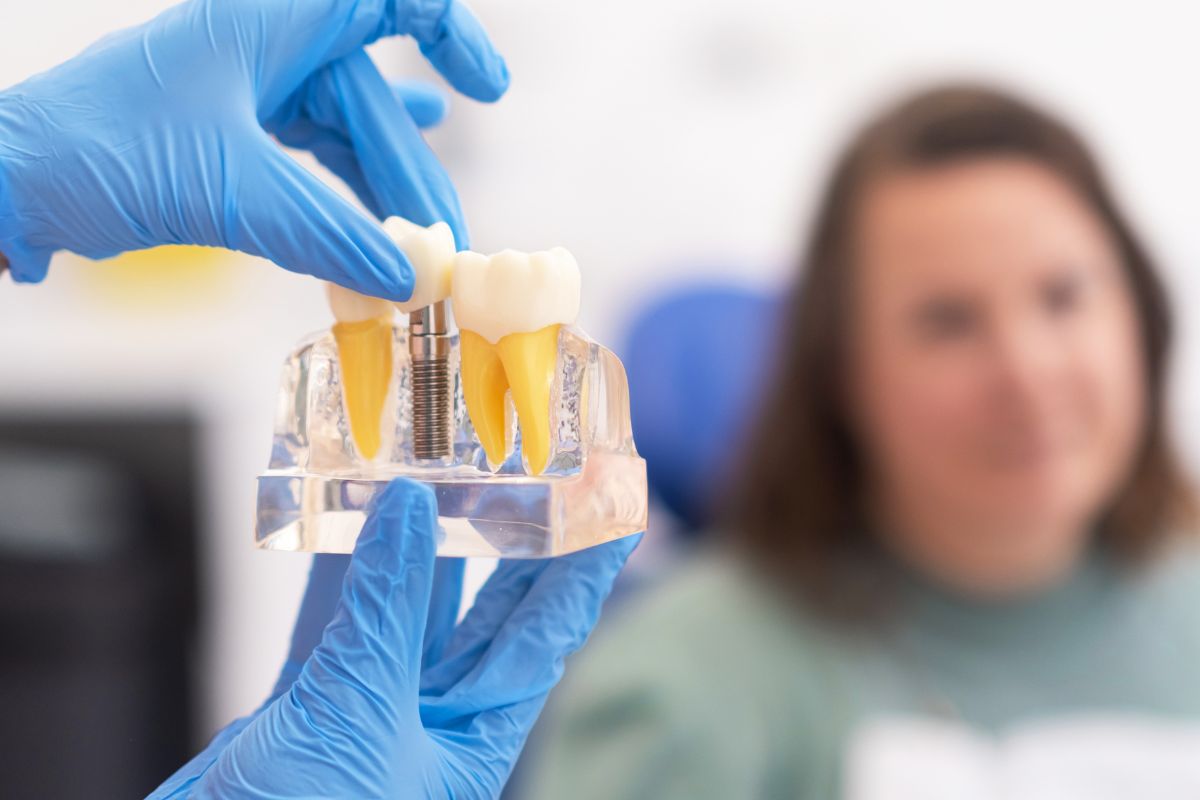
Dental implants are small titanium posts that are surgically placed into the jawbone to replace missing tooth roots. Over time, the implant bonds with the surrounding bone through a natural process called osseointegration. This creates a stable foundation for a custom dental crown, bridge, or denture.
Unlike removable tooth replacement options, implants are fixed in place and function much like natural teeth. With consistent care, the implant post itself can remain in the jaw for decades.
Are Dental Implants Truly Permanent?
Although dental implants are considered a long-term tooth replacement solution, no dental treatment can be guaranteed to last forever. The titanium implant post is designed to be highly durable and often remains successful for many years. However, the restoration attached to the implant, such as a dental crown, may eventually require replacement due to normal wear.
Patients considering dental implants in Huntley should understand that daily oral care and routine dental checkups play a major role in protecting both the implant and surrounding tissues.
The Importance of Healthy Gums
Healthy gums are essential for implant success. Gum disease can affect the tissues supporting the implant and may increase the risk of complications. Keeping the gums clean through brushing, flossing, and professional cleanings helps maintain long-term implant stability.
What Factors Can Affect Implant Longevity?
Several factors influence how long dental implants continue to function successfully.
Oral Hygiene Habits
Brushing twice each day, flossing carefully around the implant, and using any recommended cleaning aids help reduce plaque buildup and support healthy gums.
Lifestyle Choices
Smoking, excessive alcohol use, and teeth grinding can place additional stress on implants. Addressing these habits may help improve long-term outcomes.
Regular Dental Visits
Routine examinations allow your dental provider to monitor the condition of the implant, restoration, surrounding bone, and gum tissue. Early detection of any concerns often prevents more significant issues from developing.
Caring for Your Dental Implants
Daily care for implants is very similar to caring for natural teeth. Brush gently using a soft-bristled toothbrush, floss around the implant every day, and rinse as recommended by your dental provider.
Avoid chewing on ice, hard candies, or non-food objects that could damage the implant restoration. Maintaining a balanced diet also supports healthy gums and bones.
If you notice swelling, discomfort, or movement around an implant, schedule an evaluation promptly instead of waiting for symptoms to worsen.
Why Regular Maintenance Matters
Even though implants do not develop cavities, the surrounding gum tissue and bone still require ongoing attention. Professional cleanings remove plaque and tartar from areas that may be difficult to reach at home.
Regular monitoring also allows your dental provider to evaluate how your bite functions and whether the implant restoration continues to fit properly. If you ever have questions about implant care or would like to visit our dental office in Huntley, routine appointments provide an opportunity to receive personalized guidance.
Dental implants remain one of the most dependable solutions for replacing missing teeth because they closely mimic the function and stability of natural tooth roots. While the implant itself is designed for long-term performance, maintaining healthy gums, practicing consistent oral hygiene, and attending regular dental visits all contribute to lasting success. Taking care of your implants today helps protect your smile for years to come.
Interested in learning whether dental implants are the right option for you? Contact us today to schedule a consultation and learn more about restoring your smile with confidence.
FAQs
1. How long do dental implants usually last?
The implant post can often last for decades with proper care, while the crown may eventually need replacement because of normal wear.
2. Can dental implants fail?
Although implant success rates are high, factors such as poor oral hygiene, gum disease, smoking, or certain health conditions may increase the risk of complications.
3. Do dental implants require special cleaning products?
Most implants can be maintained using a soft toothbrush, floss, and any additional cleaning aids recommended by your dental provider.
4. Is the implant procedure painful?
Most patients experience only mild discomfort during recovery, which typically improves within a few days.
5. Can smokers get dental implants?
Smoking may affect healing and long-term implant health. Your dental provider can discuss ways to improve treatment success.
6. How often should implant patients visit the dentist?
Routine checkups and professional cleanings every six months, or as recommended, help monitor implant health.
7. Can dental implants replace multiple missing teeth?
Yes. Dental implants can support single crowns, bridges, or full-arch restorations depending on your individual needs.