Common Dental Issues Corrected With Invisalign Treatments
A healthy, properly aligned smile contributes to both oral health and confidence. Many people in Huntley seek orthodontic care because crooked or misaligned teeth can make brushing, flossing, and chewing more difficult. Fortunately, clear aligners have become a popular option for addressing a wide range of alignment concerns. Understanding which dental issues Invisalign can correct helps patients determine whether this treatment may be right for their needs.
How Invisalign Works
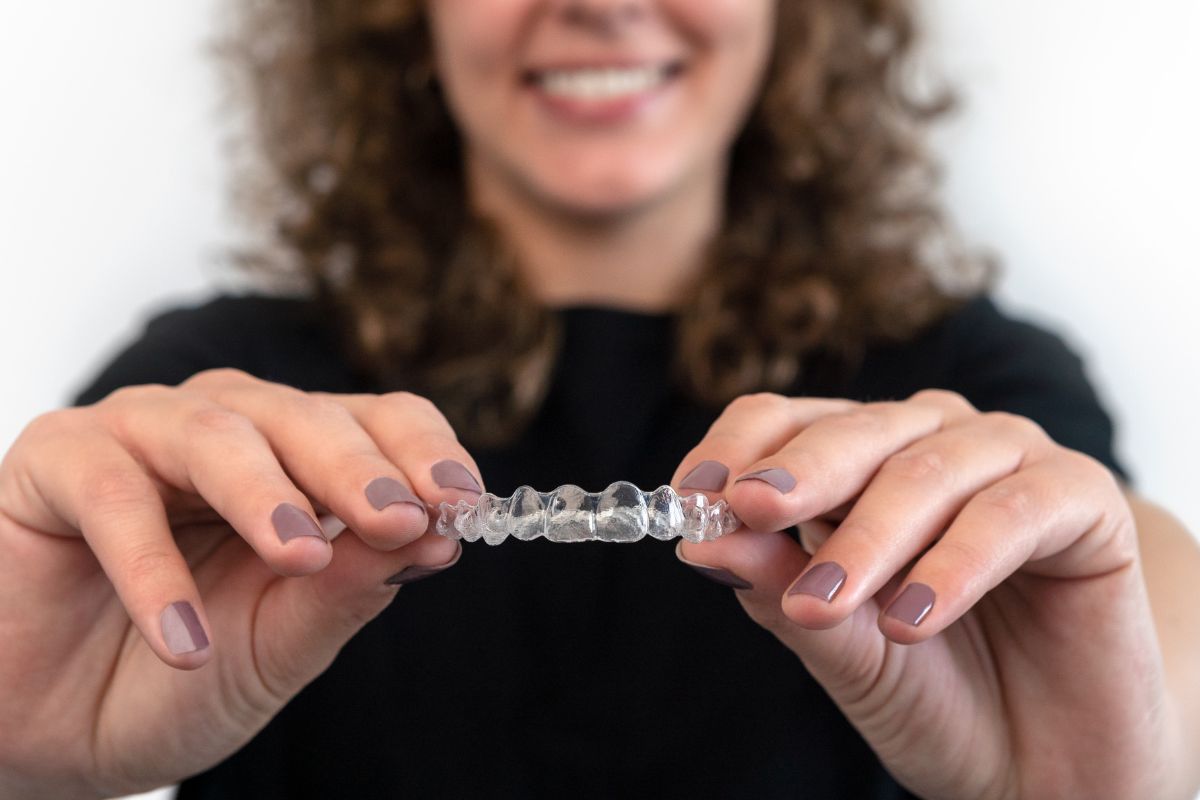
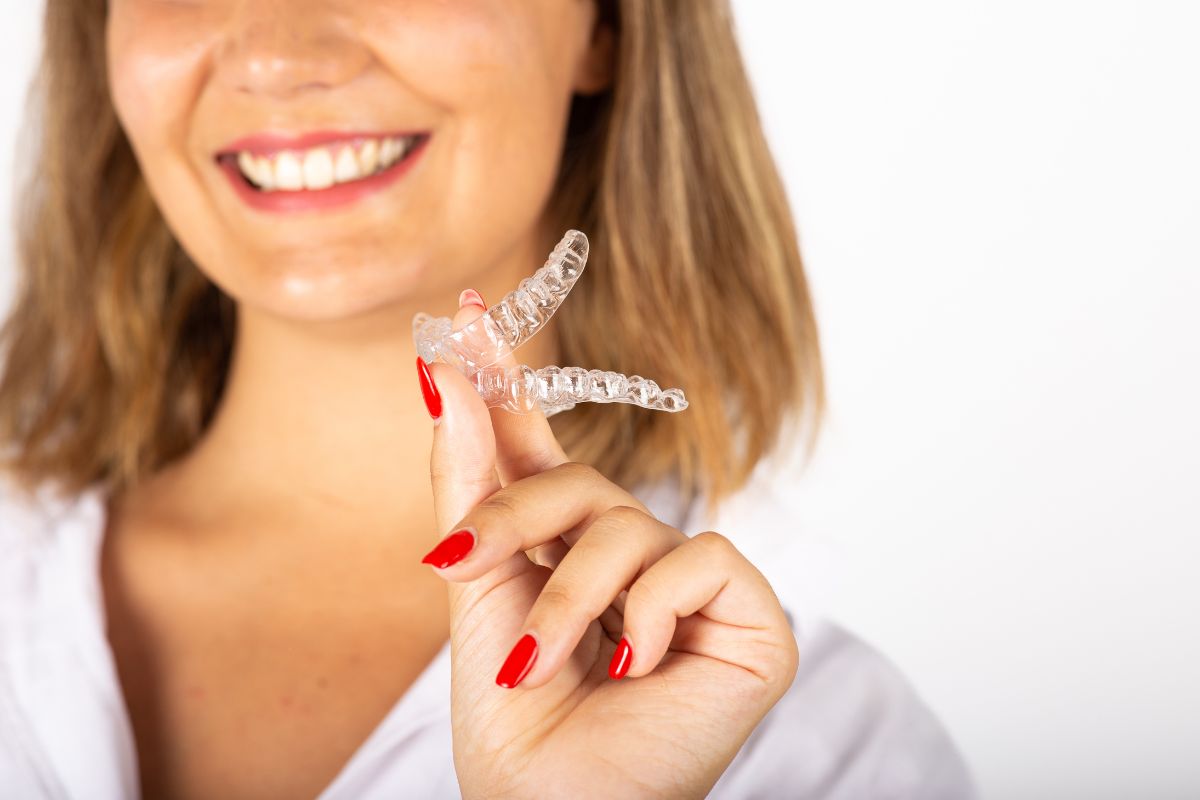
Invisalign uses a series of custom-made, clear aligners that gradually move teeth into their desired positions. Each set of aligners is worn for a specified period before progressing to the next one. Because the aligners are removable, patients can continue brushing, flossing, and eating with fewer interruptions to their daily routine.
Treatment plans are carefully designed to address each patient’s unique alignment concerns while supporting long-term oral health.
Crowded Teeth
Crowded teeth occur when there is not enough room in the jaw for all teeth to align properly. Teeth may overlap, twist, or become difficult to clean, increasing the risk of plaque buildup and gum irritation.
Many patients considering invisalign in Huntley choose treatment because properly aligned teeth are easier to clean and maintain. Gradually creating better spacing allows toothbrushes and floss to reach more areas of the mouth.
Improved Daily Oral Hygiene
When teeth are properly aligned, food particles and plaque are less likely to become trapped between overlapping teeth. This helps support healthier gums and reduces the likelihood of cavities.
Gaps Between Teeth
Some individuals naturally have spaces between their teeth due to jaw size, missing teeth, or normal tooth development. While some gaps are primarily cosmetic, larger spaces may affect bite function or allow food to collect more easily.
Clear aligners can gradually close many unwanted spaces, creating a more balanced smile and improving overall function.
Supporting a Balanced Bite
Closing excessive gaps may improve the way the upper and lower teeth come together during chewing, making biting more comfortable and efficient.
Overbite, Underbite, and Crossbite
Bite alignment plays an important role in oral function. An overbite occurs when the upper teeth extend too far over the lower teeth. An underbite causes the lower teeth to extend beyond the upper teeth, while a crossbite occurs when certain upper teeth fit inside the lower teeth.
Many mild-to-moderate bite concerns can be corrected with Invisalign treatment. Improving bite alignment may reduce uneven tooth wear and make chewing feel more natural.
Preventing Excessive Tooth Wear
When teeth do not meet correctly, extra pressure may be placed on certain areas of the mouth. Correcting bite alignment helps distribute chewing forces more evenly across the teeth.
Mild Tooth Rotation and Misalignment
Some teeth may rotate or shift out of position over time due to genetics, tooth loss, or a previous orthodontic relapse. Even minor alignment concerns can affect the appearance of your smile and make oral hygiene more challenging.
Clear aligners apply gentle, controlled pressure to guide teeth into improved positions. If you would like to explore whether Invisalign is appropriate for your smile, visit our dental office in Huntley for a personalized consultation.
Customized Treatment for Individual Needs
Every patient’s smile is unique. Invisalign treatment plans are developed using digital imaging to map tooth movement throughout each stage of treatment, allowing for gradual and predictable progress.
Invisalign can successfully address many common dental concerns, including crowded teeth, spacing issues, mild bite problems, and tooth rotation. Beyond improving appearance, straighter teeth often make brushing, flossing, and maintaining long-term oral health much easier. A comprehensive evaluation can determine whether clear aligners are the right option for your smile goals.
Interested in improving your smile with clear aligners? Contact us today to schedule a consultation and find out whether Invisalign treatment is right for you.
FAQs
1. What dental problems can Invisalign correct?
Invisalign can address crowded teeth, gaps, mild overbites, underbites, crossbites, and minor tooth rotations.
2. Is Invisalign suitable for adults?
Yes. Many adults choose Invisalign because the aligners are discreet and removable.
3. How long does Invisalign treatment usually take?
Treatment time varies depending on the complexity of each case but often ranges from several months to over a year.
4. Can I eat while wearing Invisalign aligners?
No. Aligners should be removed before eating or drinking anything other than water.
5. How often should I wear my aligners?
Most patients are advised to wear them for 20 to 22 hours each day.
6. Does Invisalign treatment hurt?
Some mild pressure is common when switching to a new set of aligners, but it typically subsides within a few days.
7. How do I clean Invisalign aligners?
Rinse them daily and clean them gently with a soft toothbrush or products recommended by your dental provider.